
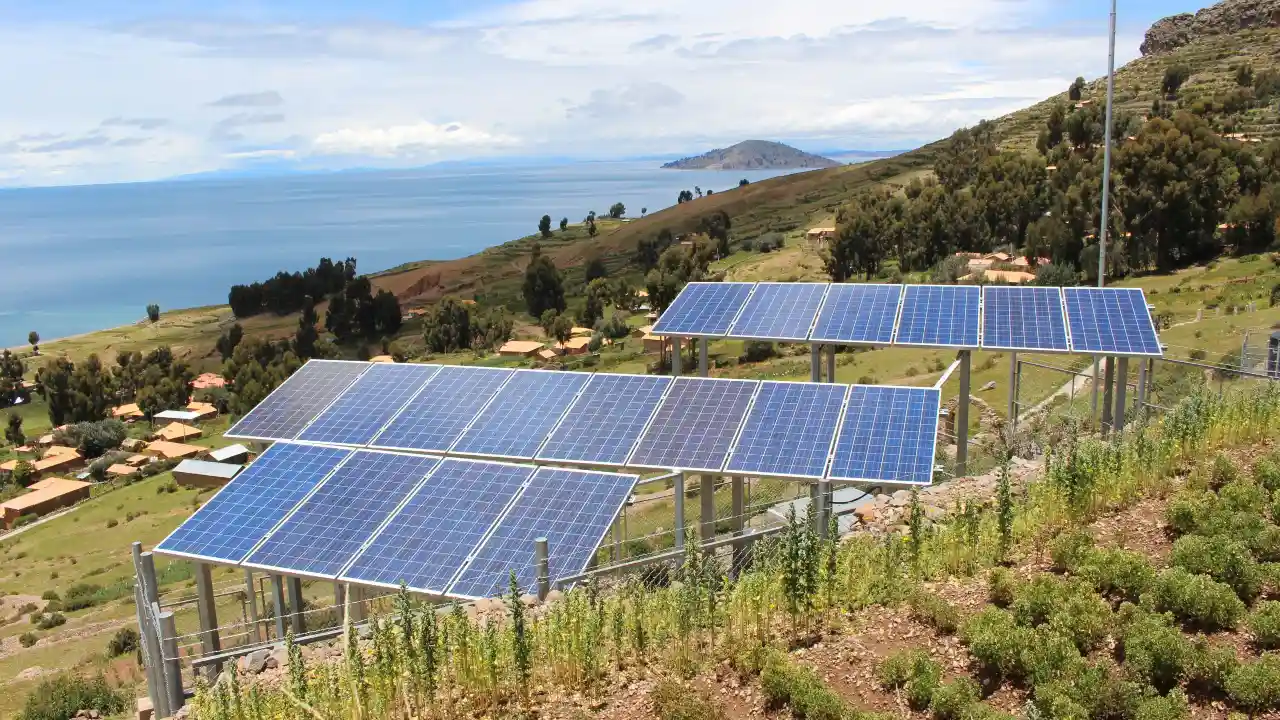
In today’s energy conscious world, change to renewable energy is more important than ever. One of the most accessible and durable sources of renewable energy is the sun. But how solar energy is converted to electrical energy, it is a matter that many are eager to understand the owners of the house, businesses and stability. In this intensive blog, we will break down the science, components, and economy of solar conversion—while integrating important factors such as the Capex Model Solar, services from rooftop solar companies in Udaipur, ground-mounted solar panels, and more.
Understanding the Basics: What Is Solar Energy?
Solar energy refers to the bright light and heat sent by the sun. By using specifically designed systems, this energy can be converted into electricity through a photovoltaic system (PV) – how solar energy is converted into electrical energy, its foundation.
According to the International Energy Agency (IEA), Solar PV is now the cheapest power source in history for some countries. Source
The Photovoltaic Effect: How It Works
The heart of change lies in the photovoltaic effect, an event explaining how sunlight can create an electric current. Let’s find out the most important stages of how solar energy is converted into electrical energy:
- Photon Absorption: Sunlight contains energy packets called photons. When these hit a solar panel made of semiconductor material (usually silicon), they excite electrons.
- Electron Excitation: The energized electrons are knocked loose from their atoms.
- Current Generation: An electric field within the solar cell forces these electrons to flow in a particular direction, creating Direct Current (DC) electricity.
- Inverter Conversion: A solar inverter then converts DC into Alternating Current (AC), which powers homes and businesses.
This complete process provides an example of how solar energy is converted to electrical energy, and understanding it can help choose the right system and technology.
Types of Solar Power Systems
To understand how solar energy is converted to electrical energy, it’s helpful to differentiate the major types of systems available:
1. Grid-Tied Systems
- Connected to the utility grid.
- No battery backup required.
- Excess power can be sold back to the grid via net metering.
2. Off-Grid Systems
- Operates independently of the grid.
- Requires batteries to store power for nighttime or cloudy days.
3. Hybrid Systems
- Combines grid-tied and off-grid benefits.
- Useful for areas with inconsistent power supply.
Whether you’re considering a rooftop solar installation company or ground mounted solar panels, your system type will influence performance and investment.
Components of a Solar PV System
To grasp how solar energy is converted to electrical energy, knowing the key components involved is essential:
- Solar Panels: Capture sunlight and initiate the PV process.
- Inverter: Converts DC to AC electricity.
- Mounting Structure: Supports and orients panels for maximum exposure.
- Battery (Optional): Stores electricity for later use.
- Solar Meter: Monitors power generation; knowing how to read a solar meter helps track efficiency.
- Wiring & Safety Equipment: Ensures safe energy transfer.

Capex Model Solar: What It Means
One of the most common questions from potential investors is whether going solar is cost-effective. The capex model solar offers a clear financial framework.
What is a Capex Model in Solar?
Capex (capital expenditure) means that you buy the solar system directly and own yourself. While the advance cost is high, long -term savings and encouragement provide excellent returns.
Advantages of Capex Solar Systems
- Full ownership and control.
- Claim depreciation and government incentives.
- Avoid paying monthly rent or lease fees.
This model is perfect for those who want to see the maximum benefits from their investment in how solar energy is converted to electrical energy.
Rooftop vs. Ground-Mounted Solar Systems
Your choice of installation – Roftop or ground-mounted solar panels – not only affects aesthetics, but also performance.
Rooftop Solar Systems
- Ideal for homes and buildings.
- Cost-effective.
- Installed by a rooftop solar installation company.
Ground Mounted Solar Panels
- Requires ample space.
- Easier maintenance and cleaning.
- Higher efficiency with adjustable mounts.
Each setup directly affects how effectively solar energy is replaced by solar energy, depending on the risk of angle, location and sunlight.
Types of Mounting Structures for Solar Panels
Mounting plays a crucial role in capturing sunlight effectively:
- Fixed Tilt Mounts: Most common, simple to install.
- Adjustable Tilt Mounts: Seasonal angle adjustments possible.
- Tracking Mounts: Follows the sun for maximum exposure.
Understanding the types of mounting structures for solar panels helps optimize performance across seasons.
Understanding Solar Cutting
Precision in installation is essential. Solar cutting refers to the exact measurement and adaptation of solar panels to fit non-standard or irregular roof shapes.
- Ensures panels are safely and correctly aligned.
- Enhances the effectiveness of how solar energy is converted to electrical energy in constrained or complex spaces.
The Role of the Solar Inverter
A vital component in any solar system, the inverter:
- Converts DC to AC.
- Acts as the system’s brain, tracking performance.
- Integrates with monitoring apps to show real-time data.
Without an efficient inverter, how solar energy is converted to electrical energy becomes incomplete and inefficient.
How to Read a Solar Meter
Most systems come with a solar meter, which tells you:
- How much electricity your system generates.
- The energy used from the grid.
- Excess energy sent back to the grid.
Learning how to read a solar meter empowers you to make smarter energy decisions and monitor your savings.
Solar Panel Maintenance Cost
Solar systems are low-maintenance, but not maintenance-free.
Typical Costs Include:
- Cleaning every 3–6 months.
- Inverter replacement (~every 10 years).
- Occasional wiring or panel checkups.
The solar panel maintenance cost ranges from ₹2,000–₹5,000 annually for residential systems. Factoring this in helps ensure optimal energy conversion and efficiency.
Depreciation on Solar Panels
Every asset depreciates over time. Solar panels lose efficiency slightly each year, typically at a rate of 0.5–1%.
- Businesses can claim depreciation on solar panels under government norms (India allows up to 40% accelerated depreciation).
- Depreciation impacts ROI and resale value.
Factoring this into your financial plan offers a realistic view of long-term value.
Financial & Environmental Benefits
Installing a solar system offers multiple benefits beyond energy savings:
- Electricity Savings: Reduces bills by up to 90% depending on location and consumption.
- Net Metering Income: Earn back on surplus energy.
- Environmental Impact: Every 1 kW solar plant offsets ~1.5 tons of CO₂ annually.
These benefits are compelling reasons to explore how solar energy is converted to electrical energy and applied in your life or business.
Best Solar Panel Dealers in Udaipur
If you’re located in Rajasthan, finding the best solar panel dealers in Udaipur ensures quality components and seamless installation. Look for dealers that offer:
- Tier-1 certified panels.
- Competitive warranties.
- Strong post-installation service.
A local vendor also helps reduce your solar panel maintenance cost.
Government Incentives and Subsidies
India’s MNRE (Ministry of New and Renewable Energy) provides:
- 30–40% subsidy on residential rooftop systems.
- State-level benefits in addition to central ones.
Utilizing subsidies accelerates ROI on capex model solar setups.
Future Trends in Solar Energy Conversion
- Space-Based Solar Arrays: Potential to beam solar energy from space to earth—still in research phase.
- BIPV (Building Integrated Photovoltaics): Panels integrated directly into building materials.
- Transparent Solar Panels: For windows, vehicles, and more.
As technology improves, how solar energy is converted to electrical energy will become even more efficient and widespread.
Conclusion
In short, to understand how solar energy is converted into electrical energy, this includes a mixture of science, technology and economics. Each element plays an important role, from photovoltaic effects and converters, to growing systems and economic models such as Capex Model’s Solar.
Whether you are considering ground-mounted solar panels, evaluating maintenance costs for the solar panel or researching the best solar panel dealers in Udaipur, your Solen journey begins with knowledge. Don’t forget to find out the efficiency of your system by using your meter, because when you know how to read the solar, you are in control of your savings and stability with guidance from solar plant dealers in Udaipur.
Make an informed decision today and illuminate your tomorrow, efficiently and financially.
FAQ’s
What converts solar energy into electrical energy?
A photovoltaic (PV) cell, usually called a solar cell, is a non-mechanical tool that transforms sunlight directly into current. Some PV cells can make artificial light for current. Sunlight consists of photons, or solar energy.
How is solar energy converted into electricity?
Solar technologies replace sunlight in electrical energy either through solar cells (PV) or through mirrors that focus solar radiation. This energy can be used to generate power or to store battery or thermal storage.


Leave a Reply