
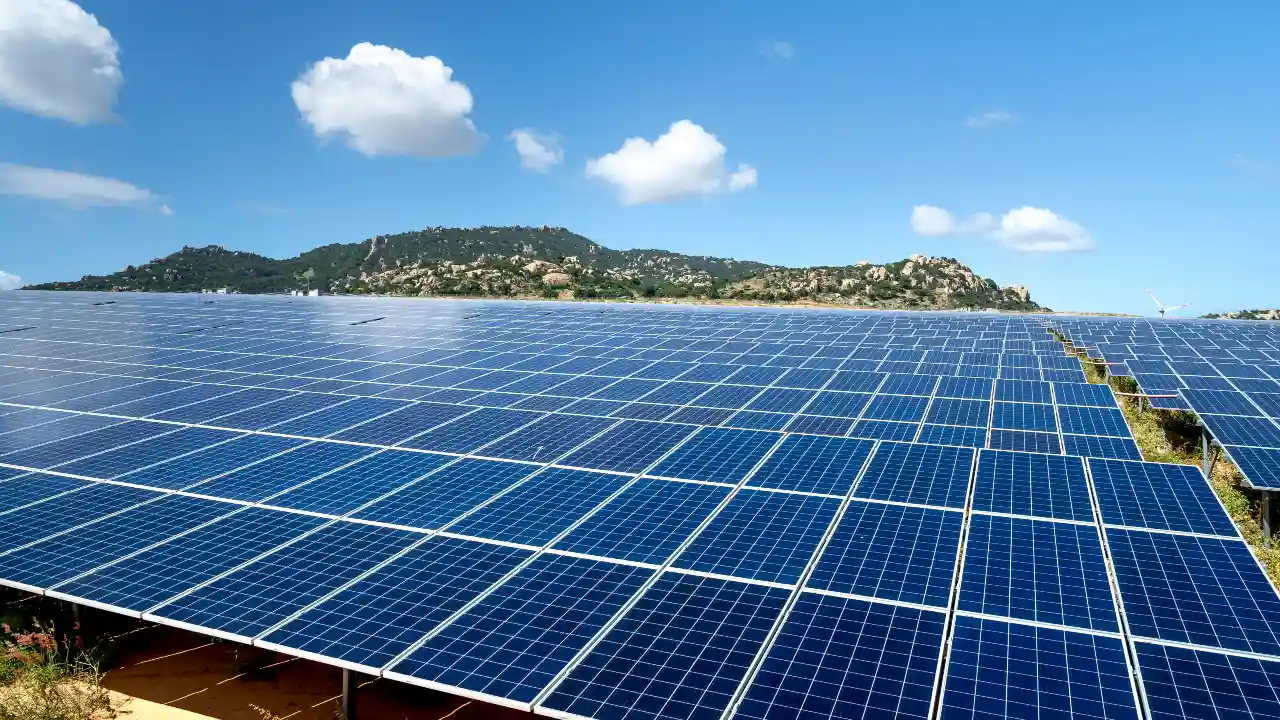
Blessed with vast deserts and plenty of solar radiation, Rajasthan is at the forefront of the country’s renewable energy movement. The state has ever since consciously promoted solar energy utilization for its energy requirements, acknowledging this natural advantage. At the heart of this transformation is the solar panel scheme in Rajasthan novel concept for making solar energy available and affordable to the people of the state. The scheme empowers residences, commercial establishments, and farmers to gradually discount their electricity prices through incentives for rooftop solar installations and huge subsidies from the government.
The scheme practically will ensure a reduction in electricity bills, but it also saves the environment and supports sustainable energy in the long run. The solar panel scheme in Rajasthan displays the progressive climate actions taken by the state and its conciliatory stance toward clean energy solutions. In so doing, Rajasthan proclaims to other Indian states engaged in their renewable energy journey, ‘That is how we do solar.
Introduction to the Solar Panel Scheme in Rajasthan
The solar panel scheme in Rajasthan is a joint venture of state and central governments aimed at ensuring wider acceptance of solar energy. Subsidies are attractive, and installation is made quite simple for the many users, thereby making solar power cheaper. This scheme helps in lowering electricity costs, irrespective of the fact it is being harnessed by a household, a commercial establishment, or an agricultural operation, promoting the use of clean energy. By addressing financial and technical issues, the solar panel scheme in Rajasthan serves as a major driver in assisting the state to face challenges in renewable energy transition and sustainable environmental and economic growth.
Objectives of the Solar Panel Scheme in Rajasthan
The primary goals of the solar panel scheme in Rajasthan include:
- Promoting Renewable Energy: Encouraging the shift from conventional energy sources to clean, sustainable solar power.
- Reducing Electricity Bills: Enabling consumers to generate their own electricity, thereby lowering monthly expenses.
- Enhancing Energy Security: Reducing dependence on external power sources and mitigating energy shortages.
- Environmental Conservation: Decreasing carbon emissions and combating climate change.
- Economic Development: Creating job opportunities in the solar energy sector and stimulating local economies.
Financial Incentives and Subsidies
Under the solar panel scheme in Rajasthan, beneficiaries can avail themselves of significant financial support:
- Up to 3 kW Systems: Eligible for a 40% subsidy on the benchmark cost.
- 3 kW to 10 kW Systems: 40% subsidy for the first 3 kW and 20% for the remaining capacity up to 10 kW.
- Above 10 kW Systems: No subsidy provided for the excess capacity beyond 10 kW for residential consumers.
For instance, a 5 kW rooftop solar system would receive a 40% subsidy for the first 3 kW and a 20% subsidy for the remaining 2 kW.
Eligibility Criteria
To participate in the solar panel scheme in Rajasthan, applicants must meet the following requirements:
- Residency: Must be a resident of Rajasthan.
- Property Ownership: Should own the property or have legal authorization from the owner.
- Rooftop Suitability: The property must have a suitable rooftop for solar panel installation.
- Electricity Connection: Must have an active electricity connection from a DISCOM registered with the Ministry of New and Renewable Energy (MNRE).
- Previous Subsidy: Should not have previously availed any solar panel subsidy.

Application Process
Applying for the solar panel scheme in Rajasthan involves a straightforward process:
- Online Registration: Visit the National Portal for Rooftop Solar and register by providing your state, district, electricity provider, and customer account number.
- Application Submission: Fill out the rooftop solar application form, upload required documents such as ownership proof and vendor invoice, and submit it online.
- Site Inspection: A DISCOM representative will inspect the site for technical feasibility.
- Vendor Selection: Choose an installation vendor approved by the government through the National Solar Rooftop Portal.
- Installation and Net Metering: The selected vendor will install the solar panels and a net meter to monitor energy production and consumption.
- Subsidy Disbursement: Upon successful installation and verification, the eligible subsidy amount will be directly transferred to your bank account.
Integration with National Schemes
The solar panel scheme in Rajasthan is intended to take into account the schemes conceived at the centre level, such as the PM Surya Ghar Muft Bijli Yojana (PMSGMBY) which provides free electricity generated through grid-connected solar panel installations. Under PMSGMBY, each eligible household receives a fixed subsidy as a one-time direct payment into their bank account that eases the adoption of solar installations. Moreover, beneficiaries are issued loans from banks at concessional interest rates, thereby further bringing down installation costs. A joint effort with central schemes like PMSGMBY makes Rajasthan’s solar programmes and the state’s renewable energy sector stronger while cementing the goal of clean and affordable power for all.
For those seeking trusted solar panel dealers in Udaipur, Infi Solar Power offers the best solar installation services in Udaipur. They not only provide professional installation but also guide customers through various solar schemes, helping them understand and maximize the benefits available.
Benefits of the Solar Panel Scheme in Rajasthan
Participating in the solar panel scheme in Rajasthan offers numerous advantages:
- Cost Savings: Significant reduction in electricity bills.
- Energy Independence: Reduced reliance on the grid, ensuring uninterrupted power supply.
- Environmental Impact: Lower carbon footprint and contribution to a greener planet.
- Property Value: Increased property value due to the addition of renewable energy systems.
- Government Incentives: Access to subsidies and financial support.
Types of Solar Panel Installations
The solar panel scheme in Rajasthan supports various installation types to cater to different needs:
- Rooftop Installations: Ideal for residential and commercial buildings.
- Ground-Mounted Systems: Suitable for larger installations, such as in agricultural fields or open spaces.
- Hybrid Systems: Combining solar power with other energy sources for enhanced reliability.
Maintenance and Longevity
Solar panels require minimal maintenance, primarily involving periodic cleaning and inspections. The average solar panel maintenance cost is relatively low, ensuring long-term affordability.
Economic Models
The capex model solar approach allows consumers to own the solar system by bearing the upfront capital expenditure, leading to long-term savings.
Technical Aspects
Understanding the technical components is crucial:
- Mounting Structures: Various types of mounting structures for solar panels are available, including fixed, adjustable, and tracking systems, each offering different benefits.
- Solar Cutting: Precision Solar cutting techniques ensure optimal panel sizing and fitment.
- Depreciation: Businesses can benefit from Depreciation on solar panels, allowing tax advantages over time.
- Monitoring: Learning how to read a solar meter enables users to track energy production and consumption effectively.
Role of Installation Companies
The key benefits of collaborating with a good rooftop solar installation company include quality installation, permits compliance and assurance of system efficiency.
Ground-Mounted Solar Panels
If land is available, ground mounted solar panels are a suitable option to rooftop panels, allowing flexibility in system design and scalability.
Conclusion
The solar panel scheme in Rajasthan marks a giant leap forward in the state’s journey toward sustainability and energy independence. With Rajasthan endowed with outstanding solar potential, this scheme tries to harness that abundant source by making solar power affordable and accessible to the people. With huge subsidies, awfully simple applications for the customers, and programs running parallel to the central government’s initiatives, this program allows households, entities, and farmers to adapt to clean energy smoothly, sharply reducing their electricity bills alongside supporting the larger goal of environmentalism and carbon footprint reduction.
Beyond a good deal in economic terms, the solar panel scheme in Rajasthan is also establishing itself as an eminent stride in the fight against climate change. As the populace gradually transitions to solar energy, the state inches closer to being fully renewable-powered. The transition toward renewable power, by embracing this scheme, means taking a bit on both personal and collective levels toward a greener and more resilient planet for the future generation.
FAQs
Is there any subsidy on solar panels in Rajasthan?
Substantial subsidy solar panel scheme in Rajasthan. This scheme, in consonance with the PM Surya Ghar Muft Bijli Yojana, provides financial assistance to residential consumers to encourage rooftop solar systems.
Yes, there is a big incentive availing for mounting solar panels in Rajasthan under the solar panel scheme in Rajasthan. This scheme, corresponding to the PM Surya Ghar Muft Bijli Yojana, provides monetary assistance to residential consumers so as to promote rooftop solar systems in the state.
Subsidy Details
Under the solar panel scheme in Rajasthan, the subsidy structure is as follows:
- 1 kW system: ₹30,000 subsidy
- 2 kW system: ₹60,000 subsidy
- 3 kW and above: ₹78,000 subsidy
There is an additional subsidy given by the Rajasthan Government for solar installations above 1.1 kW, under the scheme wherein users get the first 150 units free, amounting to ₹17,000. However, this subsidy from the state is only provided to beneficiaries of the Mukhyamantri Nishulk Bijli Yojana (100 Free Units Scheme). Other consumers are given induction cooktops and rewarded at ₹0.15 per unit for any additional power exported on the grid under net metering, instead of receiving the ₹17,000 subsidy.
What is the government scheme for solar panels?
Solar panel scheme in Rajasthan is a government solar energy promotional initiative that extends across the State of Rajasthan. Incentives and subsidies under this scheme do provide ample benefits. Installing solar panels can be at the household level or available to solar panels at the business end, or even for farmers either as rooftop solar or ground-mounted solar. The benefits of this scheme also include a simple application procedure for the applicant, and besides this, there are concessional loans for beneficiaries and direct subsidies to be transferred to the beneficiaries. This solar panel scheme in Rajasthan linked with the nationally subsidized scheme of Pradhan Mantri Surya Ghar Muft Bijli Yojana aims at encouraging use of clean renewable sources free of any subsidy while cutting down on electricity bills and emissions. Thus, this initiative marks a major step for Rajasthan towards the sustainable vision of an energy future.
Who is eligible for PM Surya Ghar Yojana?
The solar panel scheme in Rajasthan aligns closely with the Pradhan Mantri Surya Ghar Muft Bijli Yojana, which is designed to benefit residential electricity consumers. Eligibility criteria include:
- Residential Connection: Must have an active domestic electricity connection under any DISCOM.
- New Installation: Applicants who have not previously availed a rooftop solar subsidy.
- Property Ownership: Must own the property or have legal permission from the owner for panel installation.
- Consumer Category: Applicable for all consumer categories (including BPL and APL households).
By meeting these requirements, beneficiaries of the solar panel scheme in Rajasthan can receive a one-time fixed subsidy and concessional bank loans.


Leave a Reply